Top 5 Signs of Bad Charcoal & How to Choose the Best Charcoal for Your BBQ
Author: Sasha Halabi
If your BBQ isn’t performing the way it should, the problem is not always your technique. In many cases, it comes down to the fuel. Using low-quality charcoal can lead to poor heat, inconsistent cooking, and disappointing flavour, no matter how experienced you are.
Understanding the signs of bad charcoal will help you cook more consistently, waste less fuel, and get far better results every time you fire up.
Why Charcoal Quality Matters
Charcoal is the foundation of your cook. It controls heat, burn time, and flavour. When the quality drops, everything else suffers.
Good charcoal should burn hot, last long, and produce clean heat. Poor charcoal does the opposite, making it harder to control your BBQ and limiting your results.
1. It Burns Too Fast
One of the clearest signs of low-quality charcoal is how quickly it disappears.
If your charcoal burns out too fast, you will find yourself constantly adding more just to maintain the temperature. This is not only frustrating but also inefficient.
Low-density charcoal, often made from softer woods or poor manufacturing processes, simply cannot hold heat for long periods.
What you want instead: Dense hardwood lump charcoal that burns steadily and lasts through your entire cook.
2. It Struggles to Get Hot
If your BBQ never quite reaches the heat you expect, your charcoal could be the issue.
Low-quality charcoal often struggles to produce consistent high heat, making it difficult to sear meat properly or maintain stable cooking temperatures.
This leads to longer cooking times and uneven results.
What you want instead: Charcoal that ignites cleanly and reaches high temperatures quickly for proper searing and heat control.
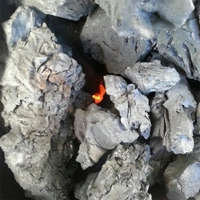
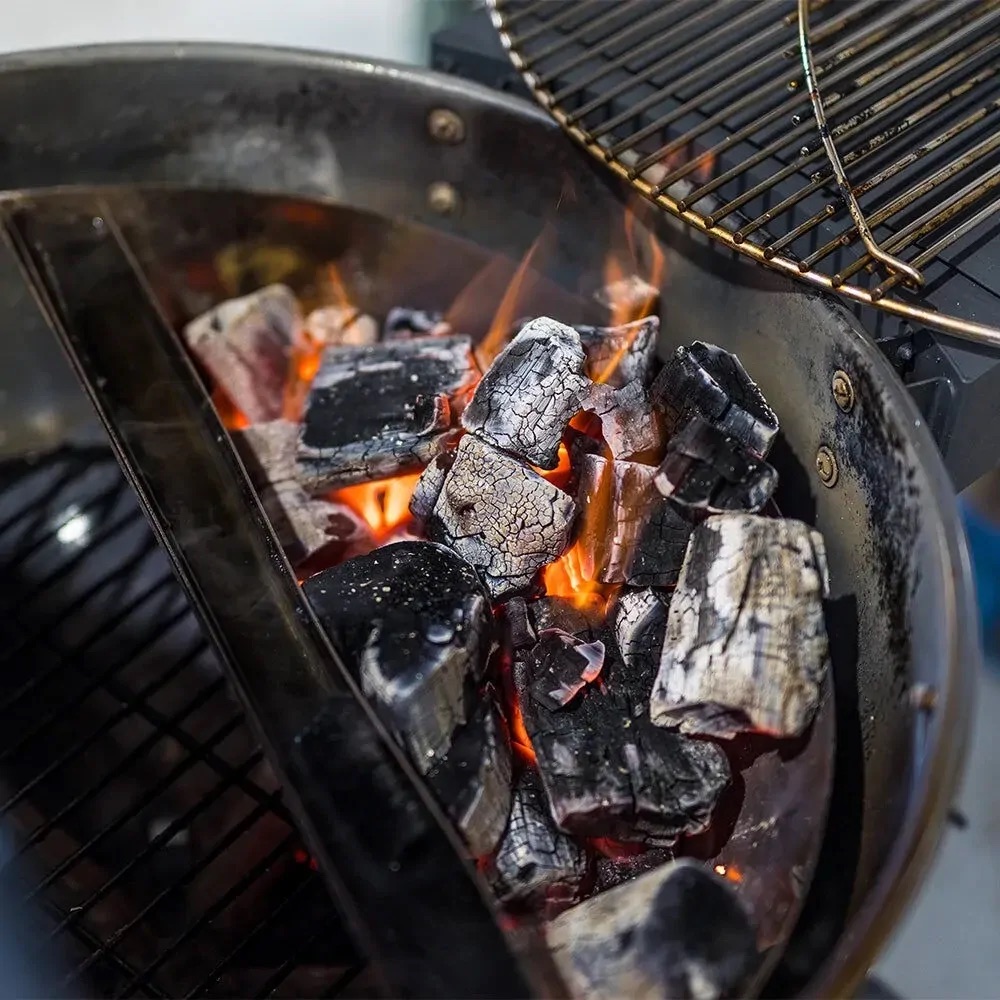
.jpeg "This is an image of charcoals being lit up.")
3. Too Much Ash Is Left Behind
Excess ash is a major warning sign.
Cheap charcoal tends to break down quickly and produce large amounts of ash. This ash can block airflow inside your BBQ, which then lowers your heat and makes temperature control even harder. It becomes a cycle of poor performance.
What you want instead: Clean-burning charcoal that produces minimal ash and maintains airflow throughout the cook.
4. It Produces a Chemical or Unpleasant Smell
Charcoal should enhance flavour, not ruin it.
If you notice strong chemical smells or off flavours in your food, it is often due to additives or poor-quality production methods used in the charcoal.
This is especially common with low-grade briquettes or improperly processed lump charcoal.
What you want instead: Natural lump charcoal with no fillers, no chemicals, and clean smoke that enhances your food.
5. Inconsistent Piece Sizes
Opening a bag of charcoal and finding a mix of dust, tiny fragments, and oversized chunks is a bad sign.
Inconsistent sizing makes it difficult to control your fire. Smaller pieces burn too quickly, while oversized pieces take longer to ignite and create uneven heat zones.
This inconsistency leads to unpredictable cooking.
What you want instead: Evenly sized lump charcoal that allows for better airflow, easier fire management, and more consistent cooking.
Pro Tip: Your not going to find every piece of charcoal being the same size, but having more similar-sized charcoal will massively help your cook.)
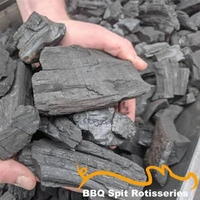
.jpg "This is an image of a BBQ Spit Roast.")
How to Choose Better Charcoal
Choosing the right charcoal makes a noticeable difference from your very first cook.
Look for:
-
Hardwood lump charcoal for higher heat and better flavour
-
Dense pieces that feel solid and not brittle
-
Minimal dust at the bottom of the bag
-
Clean burn with low ash production
-
Consistent chunk sizes for better airflow
This combination gives you more control, better efficiency, and stronger results.
Why Hardwood Lump Charcoal Performs Better
Hardwood lump charcoal is widely considered the best choice for serious BBQ cooking.
It burns hotter, responds better to airflow adjustments, and produces a more natural flavour. It also creates less ash, which helps maintain consistent temperatures over longer cooks.
For anyone cooking regularly over charcoal, this is the fuel that gives you the most control.
Build Better BBQ From the Fuel Up
If your BBQ results have been inconsistent, your charcoal is one of the first things to check.
Switching to a higher quality charcoal can immediately improve heat, flavour, and control without changing anything else in your setup.
Better fuel leads to better cooking. It really is that simple.
What Are Some Good Charcoal Options?
Not all charcoal is created equal. Choosing the right type depends on how you cook and the results you want, but high-quality hardwood lump charcoal should always be your starting point.
Here are some solid options that deliver consistent performance:
-
Hardwood Lump Charcoal By Flaming Coals
A reliable, all-round charcoal that burns hot, lights easily, and gives you excellent control. Ideal for everything from quick grilling to longer cooks. -
Mallee Root Lump Charcoal for BBQ Spit
Dense and long-burning, this is a great choice for extended cooks like spit roasting. It holds heat well and delivers strong, steady performance. Australian-made. -
Gidgee Charcoal for Smoking and Charcoal Cooking
Known for its high heat output, Gidgee charcoal is perfect for searing steaks, snags or anything similar. However, it is a bit more ashy than the other two.
Frequently Asked Questions
What is the difference between good and bad charcoal?
Good charcoal burns hot, lasts longer, produces minimal ash, and delivers clean flavour. Bad charcoal burns quickly, creates excess ash, and struggles to maintain heat.
Is lump charcoal better than briquettes?
Lump charcoal generally burns hotter and cleaner, making it better for high-heat cooking and flavour. Briquettes can be more consistent but often contain additives.
Why does my charcoal burn out so quickly?
This is usually due to low-density charcoal or small fragmented pieces that burn faster and cannot hold heat effectively.
How can I tell if charcoal is natural?
Natural charcoal will not have a strong chemical smell and is usually labelled as hardwood lump charcoal with no additives.
Does charcoal quality affect taste?
Yes. Poor-quality charcoal can introduce unpleasant flavours, while good charcoal enhances the natural taste of your food