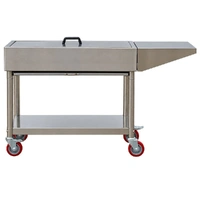
Meet The New Flaming Coals Stainless Steel Charcoal BBQ With Firebricks
Author: Sasha Halabi
This is a moment every backyard cook knows. The mates have turned up, the esky's full, and you've got twenty snags, a dozen chops and a few good steaks to get through before anyone starts eyeing off the chips. That's when you find out whether your BBQ is actually up to it, or whether you're shuffling meat around two hot spots and hoping for the best.
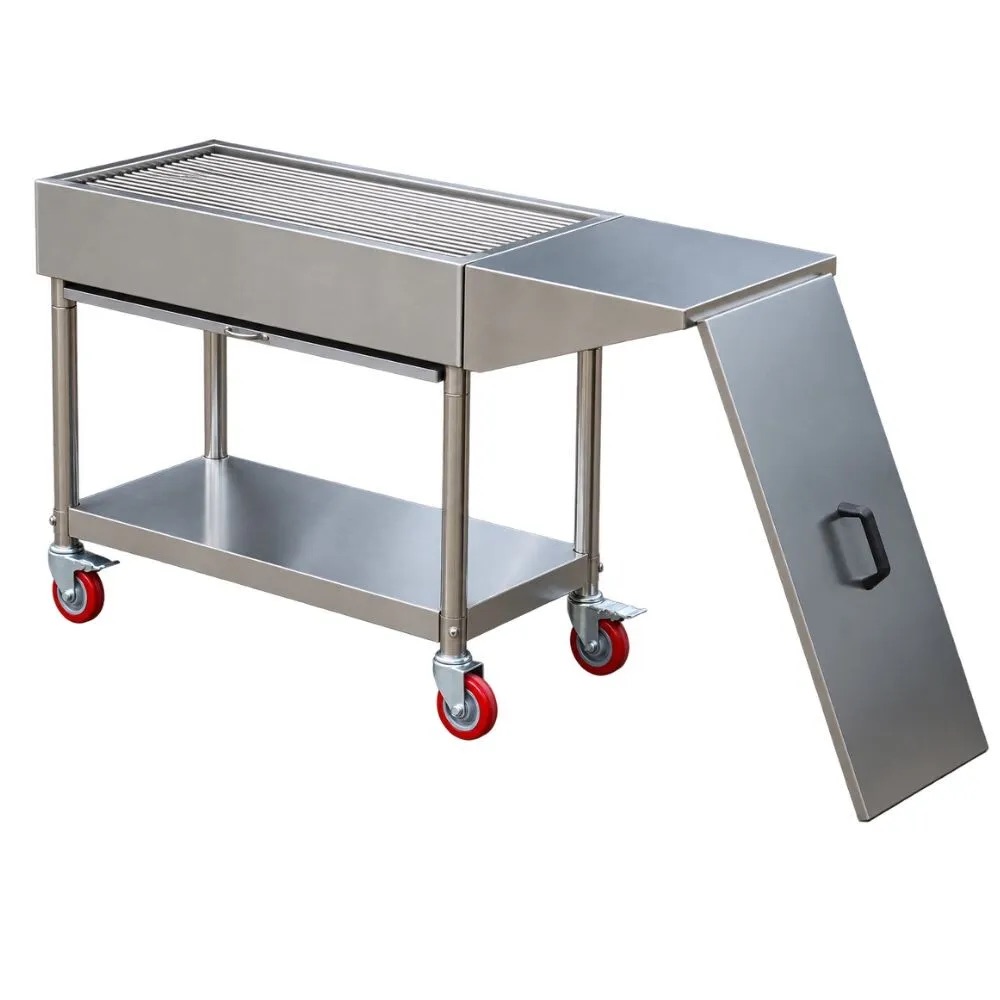
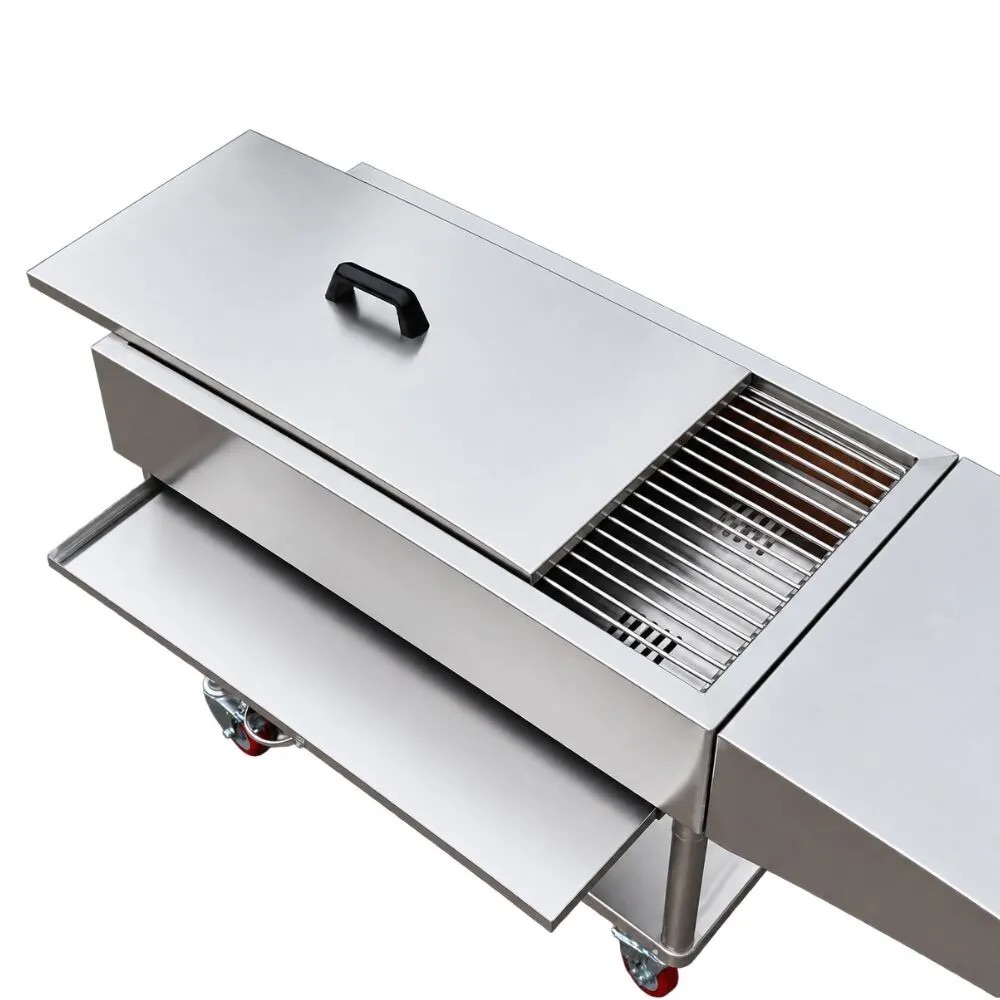
The new Flaming Coals stainless steel charcoal BBQ is built for exactly that. It's the first firebrick-lined charcoal BBQ in our range, and it does one job properly rather than a dozen jobs badly. No height-adjusting racks, no hood, no gadgets you'll never touch. Just a big stainless grill, a deep firebox lined with brick, and honest charcoal heat.
Here's what went into it and who it's for.
Why We Built A Firebrick Lined Charcoal BBQ
Flaming Coals is known for spit roasters and smokers, the gear you pull out for the long cooks. This one is the opposite end of the week. It's for Tuesday night chops and Saturday arvo steaks, the everyday cooking that happens far more often than the whole lamb does.
We kept hearing the same thing from blokes who already had a spit in the shed. They wanted something solid to grill on day to day, and everything they looked at was either a flimsy charcoal box that rusted out in two summers, or a gadget-loaded unit with adjustable trays and winders that seized up the moment they got a bit of ash and weather through them.
So we built the simple version, properly. Heavy stainless, a firebox with room to work, and brick lining it. Nothing to adjust, nothing to break.
What The Firebricks Actually Do
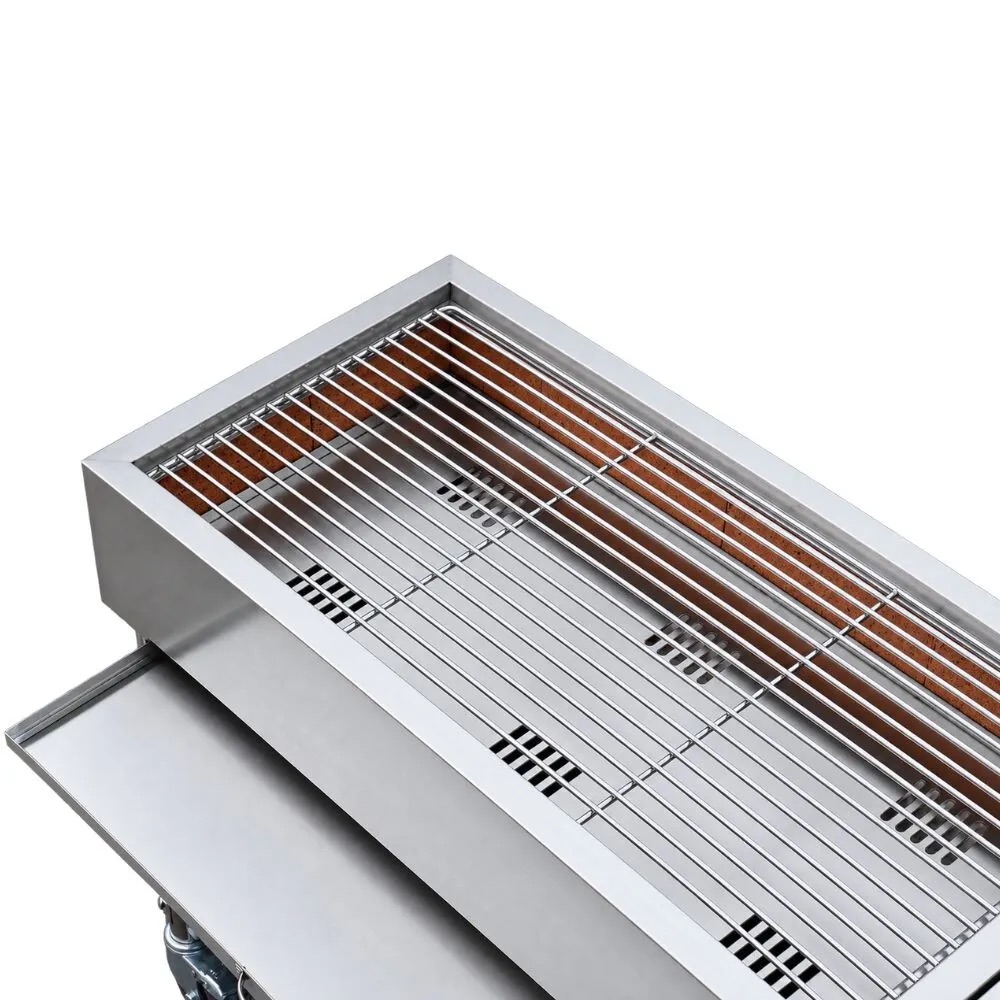
This is the bit that makes it different, and it's worth understanding rather than just taking on faith. Steel is excellent at conducting heat, which is great for a cooking surface and less great for a firebox. Heat you put into the coals can bleed straight out through the walls. Line that firebox with brick and it behaves differently. The brick soaks up heat as the fire gets going, holds onto it, and radiates it back across the coal bed instead of letting it escape.
In practice, that means a steadier cooking surface. The first steak and the last snag get more similar treatment, and you're not constantly chasing the fire. It's the same principle behind a brick pizza oven, scaled down into a firebox 160mm deep.
If you've been weighing up charcoal against gas and still aren't sure, our rundown of how charcoal and gas stack up against each other is worth five minutes before you commit either way.
Built From Stainless Steel, Inside And Out
The body and the cooking grill are both stainless steel. That matters more in Australia than people give it credit for, because our gear lives outside through summer storms, coastal air and everything winter throws at it. Painted steel eventually gives up. Stainless shrugs it off and keeps looking like something you're happy to have sitting in the alfresco.
It's a serious bit of kit too. Shipping weight is 56kg, so grab a mate when it's time to move it into position. That weight is the point though. There's nothing thin or rattly about it.
A Grill Sized For A Full Table
The cooking surface runs 932 x 435mm, which is a touch over 93cm of grilling width. That's enough to feed a full table in one go instead of cooking in shifts while half the food goes cold.
The rest of the footprint stacks up like this:
- Cooking grill: 932 x 435mm, room for the whole family's dinner at once
- Firebox depth: 160mm, enough to build a proper bed of coals and manage your heat rather than scraping a thin layer across the bottom
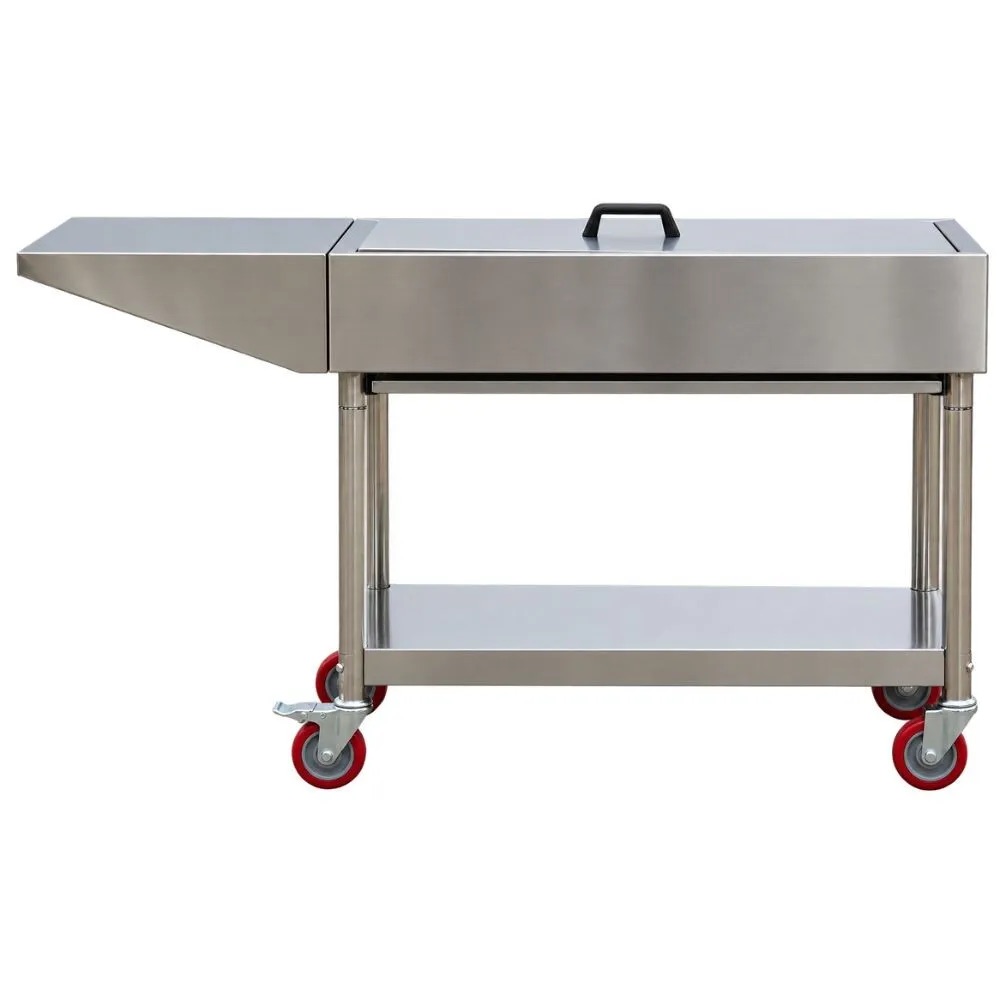
- Total footprint including the side shelf: 1400 x 500 x 900mm, so it sits comfortably in most backyards without swallowing the whole patio
- Integrated side shelf: somewhere to land the tongs, the plate of raw meat and the beer
That side shelf sounds like a small thing until you've cooked without one. Bench space right beside the grill is the difference between a relaxed cook and a juggling act.
No Height Adjustment, And That's The Point
The cooking grill sits at a fixed height above the coals. When the grill height is fixed, you remove the failure point entirely. Heat control then comes from where you put the coals, which is how experienced charcoal cooks manage a fire regardless of what their grill can do. Bank them to one side, and you've got a hot zone for searing and a gentler zone to move things across to. That's all the control most cooking needs.
Getting The Coals Right
Knowing how to light a charcoal BBQ well is most of the battle, and the method matters more than the gear. Skip the lighter fluid. It taints the food, and there's no need for it. A chimney starter does the job cleanly and takes the guesswork out, and a chimney and wand pack will have coals going in about fifteen minutes without any fuss.
The part people rush is what comes next. Wait until the coals have ashed over and gone grey before you tip them in and start cooking. Black coals are still off-gassing and burning unevenly, and food thrown on too early picks up a harsh flavour and a scorched outside. Grey and glowing is the signal.
What you burn matters as well. Lump charcoal lights faster and burns hotter, which suits steaks and chops. Briquettes burn longer and steadier, which suits a big feed where you're cooking for an hour or more. There's a full range of charcoal worth digging into if you want to experiment, and it's a genuinely enjoyable rabbit hole. For more on why charcoal beats the alternatives on flavour, our take on cooking over charcoal covers it properly.
Once you've got the fire sorted, the meat's the easy part. A decent rub does a lot of heavy lifting on chops and steaks, and there are plenty of Aussie made rubs worth having in the cupboard.
Keeping It In Good Nick
Stainless steel is forgiving, but a bit of habit keeps it grilling well for years.
Let it cool right down before you touch it. Give the grill a going over with a stiff wire brush after every cook, while there's still a bit of residual warmth in it if you can, because carbon comes off far easier than a week later.
Empty the ash out of the firebox regularly. Ash build-up chokes the airflow underneath the coals, and a charcoal fire that can't breathe won't get hot no matter how much fuel you pile on.
Fire It Up
If you've been after a charcoal BBQ that just works, with no parts to fiddle with and nothing to rust out on you, this is the one we built for the job. Solid stainless, brick-lined firebox, and a grill big enough for everyone who turns up.
Have a look at the new stainless steel charcoal BBQ with firebricks and get it under a load of snags this weekend.
Frequently Asked Questions
How big is the cooking grill?
It measures 932 x 435mm, which is a bit over 93cm of cooking width. That's enough to grill for a full table in one round.
Can I adjust the grill height?
No, the cooking grill sits at a fixed height above the coals. You control the heat by how you arrange the charcoal, banking it to one side for a hot zone and a cooler zone.
What's it made from?
Stainless steel through the body and the cooking grill, with firebricks lining the firebox.
How heavy is it?
Shipping weight is 56kg, so plan on two people to move it into place.
What charcoal should I use?
Lump charcoal for hot and fast grilling, briquettes when you want longer, steadier heat. Both work well in a firebox this deep.